

Obsolete Industrial Components: Strategies to Prevent Production Downtime
Learn how to manage the obsolescene of industrial components through revamping. Redice production...
Effective hydraulic power unit management is based on a structured preventive maintenance strategy rather than corrective
interventions after failures occur. Preventive maintenance significantly reduces machine downtime while helping companies keep
maintenance costs under control and within budget.
Hydraulic Power Units: Their Role and Operation in Industrial Systems
Hydraulic power units (HPUs) are essential components in industrial systems, as they generate and regulate the hydraulic power required
to operate machinery and production lines.
Efficient management of their operation is crucial to ensuring production continuity. Even a seemingly minor issue can quickly develop
into a complete system shutdown, resulting in reduced productivity and increased operating costs.
In industrial applications, hydraulic power units supply presses, cylinders, actuators, and automated machinery that require high force
and precise motion control. Their reliability is therefore a strategic factor for both production and maintenance managers.
Scheduling regular maintenance activities helps keep the system operating under optimal conditions, minimizes component wear, and
significantly extends the service life of the hydraulic power unit.
The operating principle of a hydraulic power unit is relatively straightforward: it converts mechanical energy into hydraulic energy by
pressurizing a fluid, typically hydraulic oil.
However, the presence of pressurized fluid also makes the system particularly vulnerable to unfavorable operating conditions, such as
contamination, significant temperature fluctuations, and the gradual wear of mechanical components.
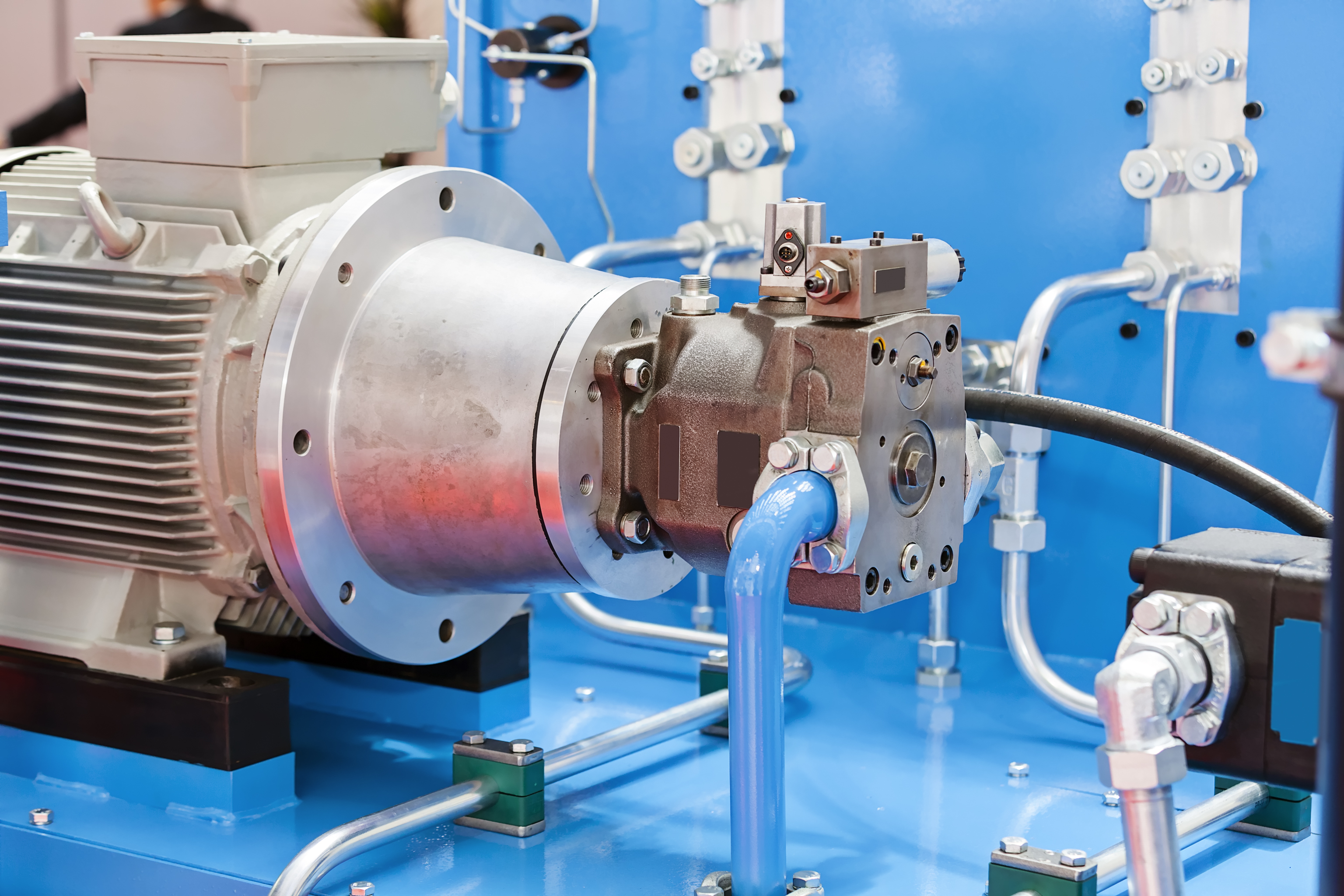
Common Issues Affecting Hydraulic Power Units
Many of the problems affecting hydraulic power units develop gradually and, if not detected early, can lead to serious failures and
unplanned downtime. The most common issues include:
• Hydraulic oil contamination: Solid particles, water, or other contaminants that impair the proper operation of pumps and valves.
• System overheating: Excessive temperatures that alter the properties of the hydraulic oil and reduce overall system efficiency.
• Pressure drops: Reduced system performance affecting machine cycle speed and operating precision.
• Inadequate filtration: Clogged or undersized filters that fail to remove contaminants effectively, accelerating component wear.
• Mechanical wear: Progressive deterioration of pumps, seals, hoses, and other hydraulic components.
• Micro oil leaks: Often underestimated but frequently indicative of seal failures or loose fittings.
If left unresolved, these conditions can trigger a chain reaction that results in operational inefficiencies, higher energy consumption, and
costly production downtime.
Warning Signs That Should Be Closely Monitored
Among the most effective maintenance practices are regular inspection of hydraulic oil level and quality, scheduled filter replacement,
and continuous monitoring of pressure and temperature. Using a structured maintenance checklist also enables maintenance personnel
to identify anomalies more quickly and consistently.
Before a major failure occurs, hydraulic power units usually exhibit clear warning signs that can be detected through careful system
monitoring.
The most common indicators include:
• Increased pump noise
• Abnormal vibrations during operation
• Rising hydraulic oil temperature
• Micro oil leaks
• Slower machine cycle times
Recognizing these warning signs at an early stage allows maintenance teams to take preventive action before a minor issue develops
into a critical failure.
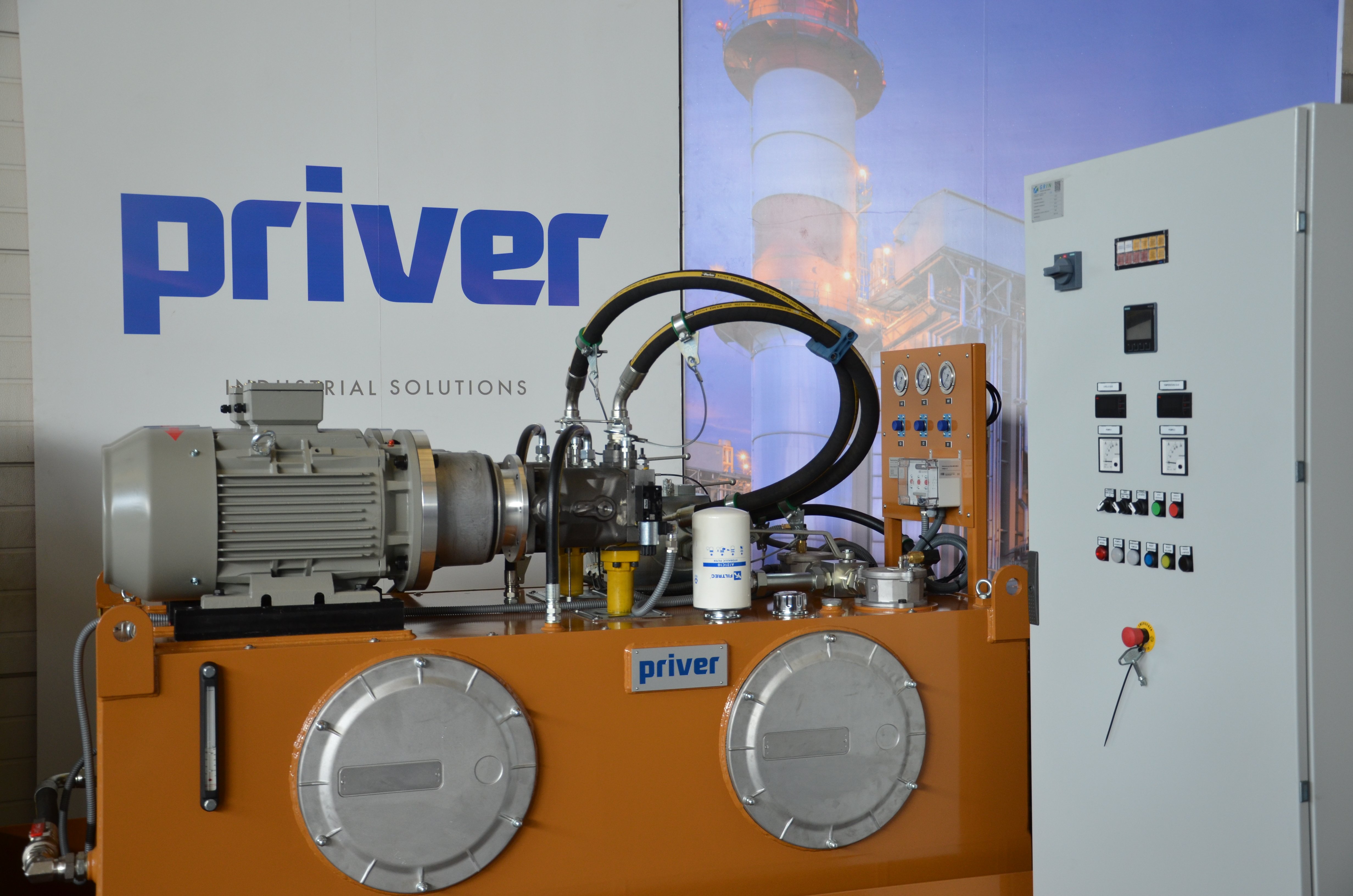 Turnkey Solutions: Hydraulic Power Units with Integrated Electrical Control Panels
Preventive Maintenance Best Practices
Effective hydraulic power unit management requires a structured preventive maintenance approach aimed at minimizing the risk of
failures and ensuring continuous production.
Key best practices include:
A structured maintenance strategy not only minimizes unplanned downtime but also extends the service life of the hydraulic power unit
and improves the overall efficiency of the production system.
In today's highly competitive industrial environment, preventive maintenance has become a strategic investment for ensuring
operational continuity while controlling maintenance and operating costs.
Improve the Reliability and Performance of Your Hydraulic Systems
Proper hydraulic power unit management not only increases system reliability but also directly contributes to reducing operating costs
and improving production efficiency—two key objectives for any modern industrial facility.
At Priver, we provide dedicated services for upgrading and optimizing aging hydraulic systems, including installations that rely on
obsolete or difficult-to-source components.
Our objective is to help companies assess the current condition of their hydraulic systems, identify the main sources of contamination,
and develop targeted improvement plans. This includes optimizing production performance while implementing preventive maintenance
programs designed to support continuous operational improvement.
Our technical team is available to perform a customized preliminary assessment to identify the most effective actions for improving
hydraulic system performance while increasing the safety, reliability, and efficiency of the entire installation.
Partnering with Priver means starting a structured improvement journey in which every intervention is designed not only to solve existing
problems but also to transfer valuable technical knowledge and maintenance best practices that support the long-term management of
hydraulic power units.
Learn how to manage the obsolescene of industrial components through revamping. Redice production...
Sustainable hydraulics is becoming increasingly central in an industrial landscape striving to...