

Hydraulic Power Units: Critical Issues and Anomalies to Monitor
Effective hydraulic power unit management is based on a structured preventive maintenance strategy...
Scopri come ottimizzare l'efficienza energetica e ridurre i fermi impianto attraverso una gestione strategica e la manutenzione avanzata dell'aria compressa.
Energy Audit and Monitoring: Understanding Your System to Optimize Performance
The first step toward improving energy efficiency is to systematically analyze how the compressed air system operates and collect
reliable data on energy consumption. Many companies still rely on compressed air systems that have been in operation for years and
have undergone modifications, expansions, or changes in usage over time. In these situations, it is common for the system to operate
under non-optimal conditions, producing more compressed air than actually required or maintaining pressure levels higher than those
needed by the connected equipment.
Conducting an energy audit provides a comprehensive assessment of the system, allowing critical issues and opportunities for
improvement to be identified with precision. Analyzing consumption profiles, flow rates, and pressure levels helps determine how
compressed air is being used and highlights the main sources of inefficiency. Among these, leaks within the distribution network are one
of the most common problems: even small leaks, if left undetected and unrepaired, can have a significant impact on annual energy
costs.
Continuous monitoring of operating parameters is also a key strategic asset. Thanks to modern control and data acquisition systems,
production and maintenance managers can monitor system performance in real time, promptly identify anomalies, and take corrective
action before they affect energy consumption or production continuity. A data-driven management approach also enables more
informed decision-making and supports the planning of optimization measures that deliver effective and sustainable results over the
medium and long term.
Predictive Maintenance: Preventing Failures and Maintaining High Efficiency
The energy efficiency of a compressed air system is closely linked to the operating condition of its components. Compressors, filters,
dryers, and distribution systems must all function correctly to ensure consistent performance and controlled energy consumption. When
maintenance is performed only after a failure occurs or when performance has already deteriorated, interventions often come too late,
resulting in higher costs and potential production downtime.
For this reason, an increasing number of companies are adopting predictive maintenance strategies based on continuous monitoring of
operating parameters. Sensors and digital systems collect data on temperature, pressure, energy consumption, and machine operating
hours, making it possible to detect early signs of wear or malfunction.
For example, a clogged filter increases pressure losses and forces the compressor to operate under heavier loads to maintain the same
performance. Likewise, inadequate maintenance can gradually reduce the overall efficiency of the system and lead to increasing energy
consumption. Planned maintenance, on the other hand, helps keep the system operating at peak efficiency, extends equipment lifespan,
and minimizes the risk of unexpected shutdowns.
Beyond improving reliability, predictive maintenance also enables more efficient resource management by allowing maintenance
activities to be strategically scheduled and long-term operating costs to be optimized.
Efficient Technologies and Integrated Management: The Future of Industrial Compressed Air Systems
In recent years, technological advancements have provided companies with increasingly sophisticated solutions to improve the
efficiency of compressed air systems. However, achieving meaningful energy savings does not depend solely on installing new
equipment. Real results require an integrated approach that considers the entire compressed air system.
%20-%20Copia.jpeg?width=1977&height=1204&name=WhatsApp%20Image%202026-05-14%20at%2015.51.47%20(2)%20-%20Copia.jpeg)
Photo: Sizing and installation of a complete compressed air system designed and implemented by Priver.
Proper pressure regulation, optimized load management, and coordinated operation of multiple compressors ensure that only the
amount of compressed air actually required is produced, eliminating unnecessary waste and energy consumption. The design of the
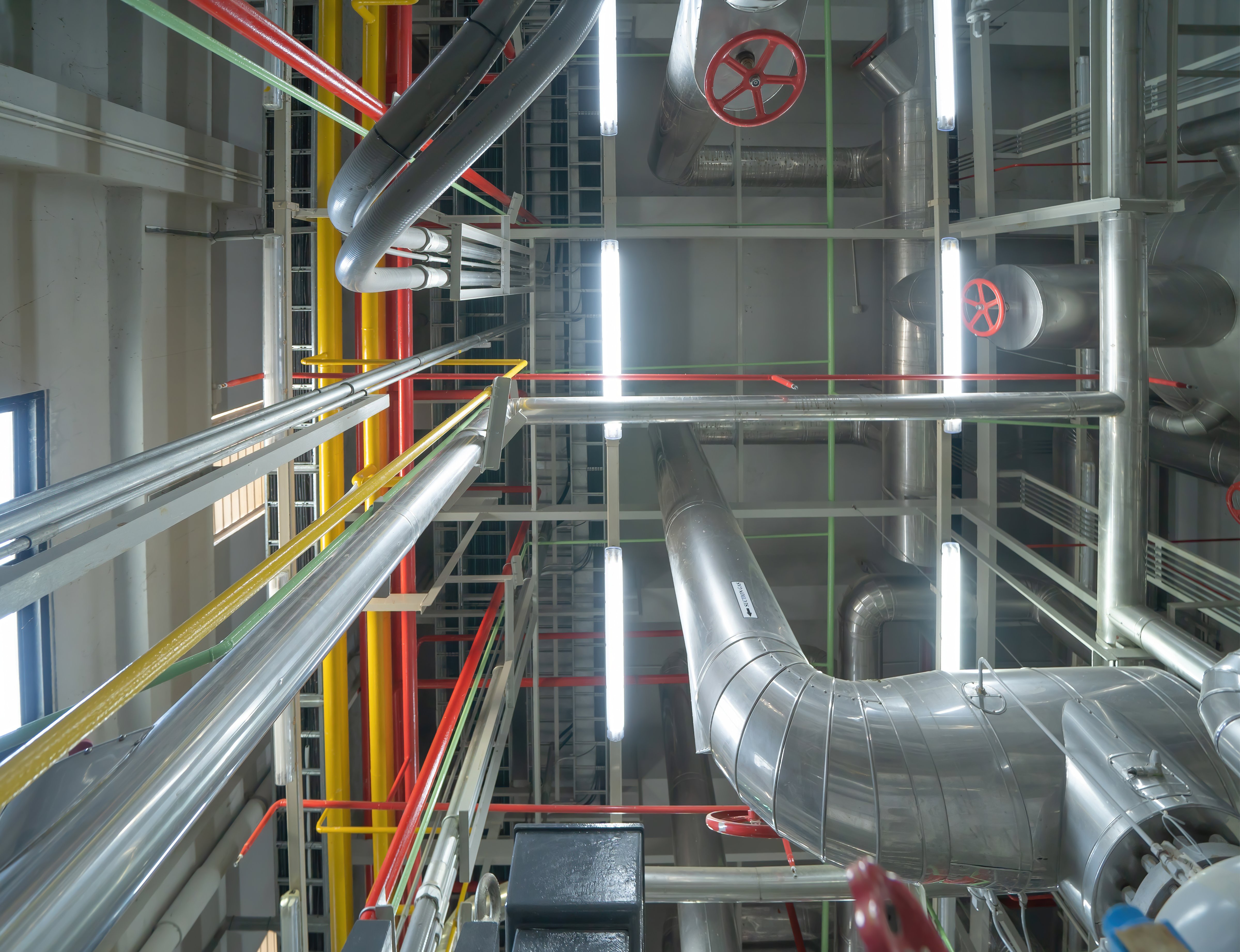
distribution network also plays a crucial role: optimized piping layouts and properly sized components help reduce pressure losses and
improve overall system efficiency.
Another strategic area is digitalization. Monitoring platforms and supervisory control systems integrate data from multiple assets,
providing a complete overview of energy performance. This approach enables proactive system management and supports companies
in achieving their efficiency and sustainability goals.
Investing in the optimization of compressed air systems therefore means not only reducing energy costs, but also improving production
reliability, increasing business competitiveness, and preparing for the future challenges of modern industry. In a context of rising energy
costs and growing attention to sustainability, we believe that improving compressed air system efficiency represents a concrete
opportunity to create value and enhance overall operational performance.
Our team is available to assess your system's energy requirements, evaluate the condition of your assets, and work with you to develop
the most effective maintenance and optimization strategies for your compressed air system.
Contact our team today to discover how you can improve production efficiency and reduce the indirect operating costs of your equipment.
Effective hydraulic power unit management is based on a structured preventive maintenance strategy...
A fundamental process for any production company is quality control.
The quality of compressed air is a key factor for the proper functioning of industrial plants....