

Reducing Downtime: Strategies to Improve Reliability and Productivity
In the power generation industry, operational continuity is more than just a technical performance...
Discover the importance of floodgate operating systems in electric power plants and how to retrofitting and monitoring can optimise their performance.
Gates are movable structures designed to control the flow of water in hydraulic installations. To understand their function, they can be thought of as movable barriers: by opening, closing or adjusting their position, it is possible to allow, stop or regulate the flow of water.
Gate operation is carried out by mechanical, hydraulic or electromechanical systems, which provide the force required to open and close the gates and keep them in the designated position. The technology and sizing of these systems are determined according to the characteristics of the gate and the operating conditions in which it must function.
To understand the role of gates in the management of an electric power plant, it is useful to distinguish between their main functions:
• Regulating the water flow supplied to the turbines;
• Stopping the flow during routine and extraordinary maintenance operations;
• Managing the water flow entering and leaving the power plant;
• Responding to emergency situations in accordance with the plant's safety procedures.
Over time, component wear and technological developments make three complementary activities increasingly important: maintenance, to preserve proper operation; retrofitting, meaning the modernisation of existing systems; and monitoring, to track their operating conditions. These activities help maintain the reliability of gate operating systems and improve their control over time.
Gate operation can be achieved using different technologies, selected according to the technical characteristics of the plant and the required performance specifications.
The most widely used solutions include:
1. Hydraulic Systems
Hydraulic systems use hydraulic cylinders powered by a hydraulic power unit to generate the force required to operate the gate. This solution makes it possible to handle heavy loads and precisely control opening and closing operations.
2. Electromechanical Systems
These systems are based on the use of electric motors, gearboxes and mechanical transmission systems to operate the gates. The power generated by the motor is converted into the movement required to perform lifting or lowering operations.
3. Automation and Control Systems
These systems integrate electrical components, sensors, limit switches, PLCs and operator interfaces to manage commands and monitor the system's operating conditions. The integration of these technologies makes it possible to coordinate operations and supervise system performance, contributing to overall reliability.
Monitoring hydraulic systems makes it possible to check the main operating parameters and detect any anomalies.
The main variables and conditions to be monitored include:
Circuit pressure: to verify operating conditions and detect malfunctions;
Vibrations and pump condition: to detect signs of wear or abnormal operation.
Data collected by sensors are gathered through data acquisition systems and can be displayed on SCADA supervisory platforms, providing operators with an integrated overview of the plant's condition.
Analysing this information makes it possible to complement scheduled maintenance with interventions based on the actual condition of the equipment. This improves maintenance planning and helps reduce the risk of unexpected failures.
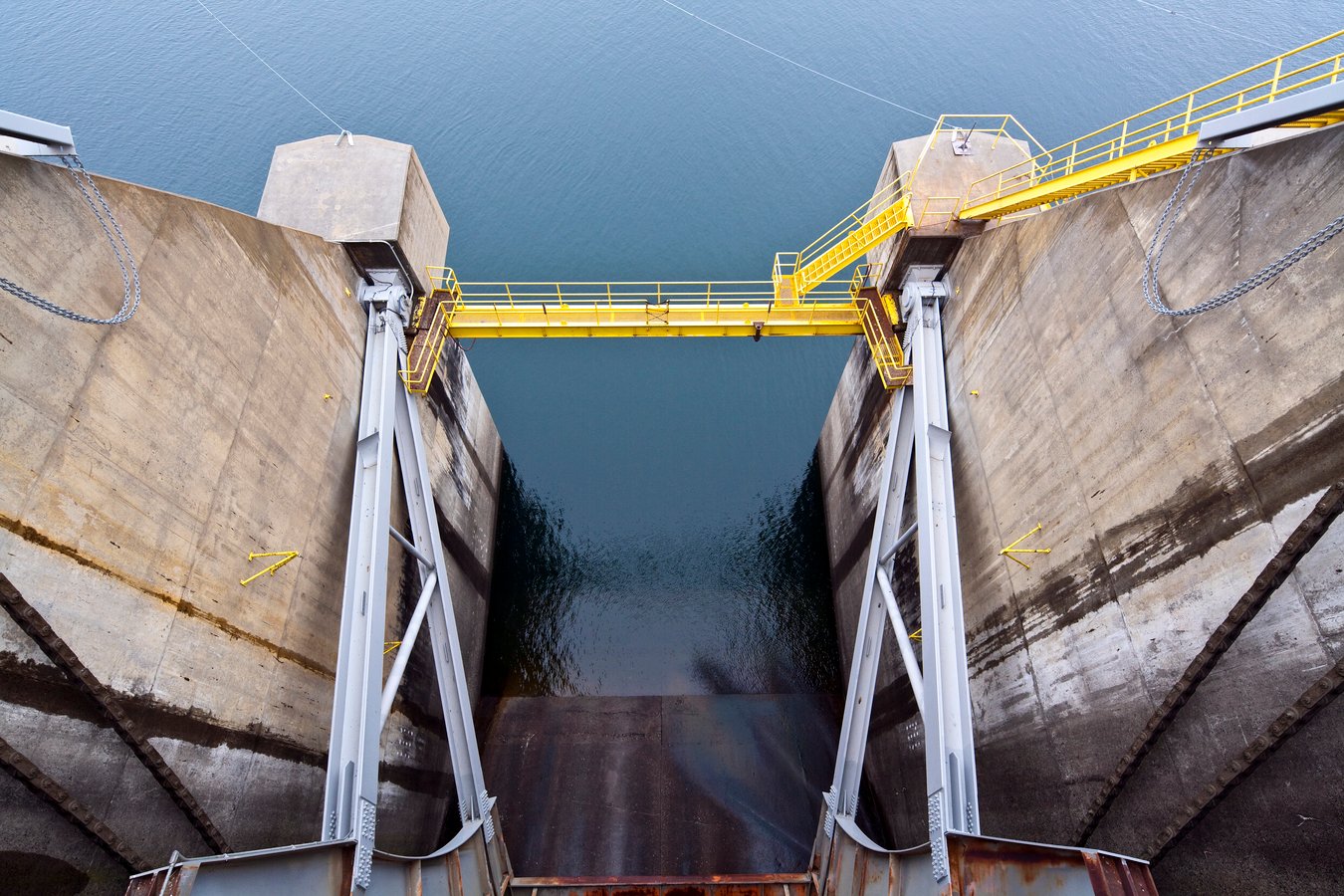
Electric power plants may use machinery designed according to technologies and automation standards that are no longer suited to current operational requirements. Component obsolescence, difficulties in sourcing spare parts, the lack of diagnostic tools and the need to improve operational control are all factors to consider when planning a retrofitting project.
Our retrofitting and modernisation projects have focused on three main areas:
1. Hydraulic Revamping
Replacement or overhaul of pumps and hydraulic power units;
Upgrading of control and regulating valves;
Replacement of deteriorated pipes and fittings;
Installation of sensors to monitor pressure, temperature and oil levels.
2. Electrical and automation retrofitting
Replacement of obsolete electrical panels;
Upgrading of PLCs and control logic;
Integration of sensors, transducers and safety devices;
Implementation of remote monitoring and control systems.
3. Integration of Monitoring Systems
Acquisition of operating parameters;
Data visualisation through HMI interfaces or SCADA platforms;
Configuration of alarms when operating thresholds are exceeded;
Storage of historical data to analyse equipment performance over time.
A retrofitting project does not necessarily require the complete replacement of the plant. A preliminary assessment makes it possible to evaluate the condition of the equipment, identify components that are still suitable for use and determine which upgrades are required.
This approach allows existing infrastructure to be preserved while integrating more modern technologies through targeted interventions, improving system performance without necessarily requiring a complete reconstruction.
The integration of hydraulic components, electrical systems and automation technologies helps improve the management of hydroelectric plants. The main benefits include:
Gate operating systems are essential elements in the management and safety of hydroelectric power plants. Their efficiency depends not only on the quality of the installed components but also on the ability to continuously monitor their operating conditions.
In this context, industrial retrofitting and the integration of supervisory and control systems are important tools for addressing technological obsolescence, improving plant reliability and optimising maintenance activities.
Modernisation therefore means more than simply replacing obsolete components: it means making plants easier to control and monitor, while ensuring they are better equipped to meet future operational requirements.
Discover how our support can help you integrate technological innovation tailored to your needs. Contact our team and request a consultation.
In the power generation industry, operational continuity is more than just a technical performance...
Discover how monitoring industrial process parameters can improve plant efficiency, safety and...
Learn how to manage the obsolescene of industrial components through revamping. Redice production...